By Josh McKnight | The McKnight Team
Philadelphia completed a mass reassessment and released the data in June. Most homeowners saw a modest uptick, with a citywide median increase of 3 percent compared with the 2025 tax year. Nearly 6,000 homeowners saw increases above 50 percent. More than 2,200 of those saw their assessments more than double.
A Philadelphia property tax assessment is the number your entire bill is built on, and a doubling is not a rounding error on a rowhome.
Where the Increases Landed
The steep rises cluster geographically rather than spreading evenly. The southern end of Strawberry Mansion along the Schuylkill and the small Hartranft area north of Temple University and east of Broad Street both show heavy concentrations. Parts of Kensington and West Philadelphia bordering areas that have seen rapid price growth also moved sharply.
The pattern is consistent and worth naming plainly. Assessments jumped hardest where sale prices on nearby blocks moved fastest. Mass appraisal works from comparable sales, so a handful of high transactions on adjacent streets pulls up every property the model treats as similar, whether or not that owner sold, renovated, or did anything at all.
That is the mechanism behind a bill that doubles while nothing about the house changed. No permit was pulled. No addition was built. A neighbor sold well, and the model moved everyone.
What a Philadelphia Property Tax Assessment Actually Does to Your Bill
Your bill is the assessed value multiplied by the tax rate. Nothing else. A 50 percent assessment increase is a 50 percent tax increase unless the rate moves or an exemption absorbs it.
Set that against what the numbers show right now. The average Philadelphia home value is $234,630, up 0.2 percent over the past year, with homes going to pending in around twenty-two days, per Zillow data through July 31, 2026. Compare that to Montgomery County at $499,755 and Bucks County at $530,927, both moving in around seven days.
The citywide market grew two tenths of a percent. Individual assessments doubled. Those two facts sitting side by side are the entire argument for checking yours rather than assuming the median applies to you.
Why an Appeal Is Worth Your Afternoon
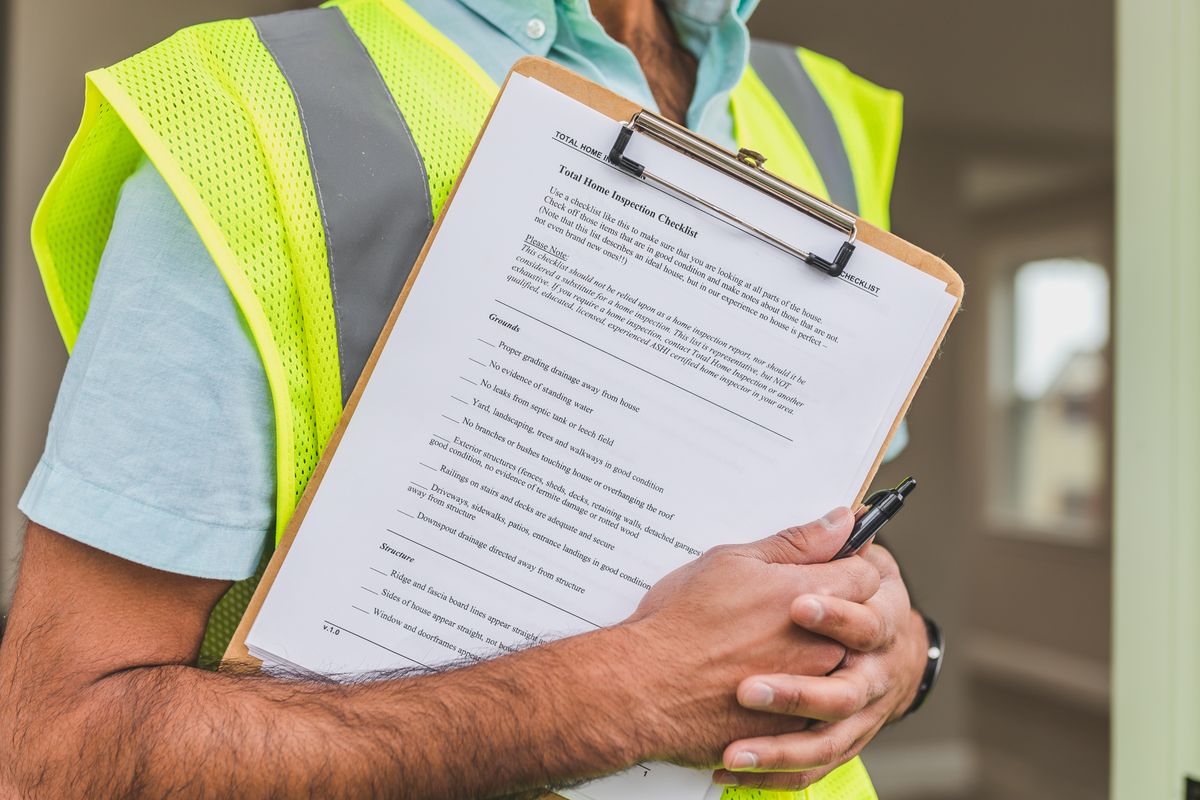
Assessment appeals are among the highest-return hours available to a homeowner, and almost nobody files. The city offered a first level review through the Office of Property Assessment, but that window closed on September 1, 2026. What is left is a formal appeal to the Board of Revision of Taxes, due by October 5, 2026, per the City of Philadelphia. It is free to file.
You are not arguing that your taxes feel high. You are arguing that the assessed value is wrong. That means sales of genuinely comparable properties, condition problems the model cannot see, square footage or bedroom counts recorded incorrectly, and any physical difference between your house and the ones the model priced it against. Photographs of a failing roof carry more weight than any sentence about affordability.
Reasonable people land differently on mass appraisal. A city cannot individually inspect half a million parcels, and a model that misses a gutted interior produces a bill that has nothing to do with what a property is worth. Both things can be true.
If your assessment moved more than the 3 percent citywide median, tell your neighbor to pull theirs. Increases this concentrated rarely hit one house on a block.
What This Means for You
Look up your own number first, by address, and compare it against your 2025 assessment rather than against what you think your home is worth. Then confirm you are actually enrolled in every relief program you qualify for, because an audit removed 13,000 owners from those programs this year and reinstatement is not automatic. If you are buying in Philadelphia, ask for the current assessment and the seller’s exemption status, since your bill will not match theirs.
Assessment exposure varies block by block in this city in a way it does not anywhere else in the region, and two similar rowhomes four streets apart can carry very different bills. That gap is worth understanding before you commit. The current baseline on our Philadelphia PA homes for sale page is a reasonable orientation.
Thinking about buying or selling in Philadelphia? Let’s talk.
Frequently Asked Questions About Philadelphia Property Tax Assessments
How do I check my Philadelphia property assessment?
Assessment data for the coming tax year was released in June and is searchable by address through the city property database. Compare the new figure against your 2025 assessment to see exactly how much your value moved.
Will a higher assessment raise my property tax bill?
Generally yes, because the bill is the assessed value multiplied by the tax rate. The citywide median increase was 3 percent, but nearly 6,000 owners saw increases above 50 percent this cycle.
Can I appeal a Philadelphia property tax assessment?
Yes, but the calendar matters. The first level review with the Office of Property Assessment closed on September 1, 2026. A formal appeal to the Board of Revision of Taxes is due October 5, 2026, and that is the route still open for the 2027 tax year.
What relief programs lower Philadelphia property taxes?
The homestead exemption, the Longtime Owner Occupants Program, and the senior tax freeze each reduce taxable value or lock a bill. An audit removed 13,000 owners from relief programs this year, so verify your enrollment.