By Josh McKnight | The McKnight Team
The Pennsylvania Public Utility Commission released its annual Electric Power Outlook on September 1. The report projects that statewide electricity demand could climb nearly 19 percent per year for the next five years. Almost all of that growth traces to large data centers.
PECO electric bill increase pressure is not written into that forecast. But demand and price move together, and five years of compounding industrial load lands on every ratepayer in Bucks, Montgomery, Philadelphia, and Delaware counties.
What the PUC Report Actually Forecasts
The Electric Power Outlook is a forecast, not a guarantee. The commission says so directly in the document. It models what happens to statewide load if the large projects now sitting in the interconnection queue get built and energized on schedule. Many of them will not.
That caveat matters. It also does not change the direction. The commission attributes the projected industrial increase almost entirely to anticipated large data centers, which means the growth sits inside a single customer class rather than spreading evenly across homes and small businesses.
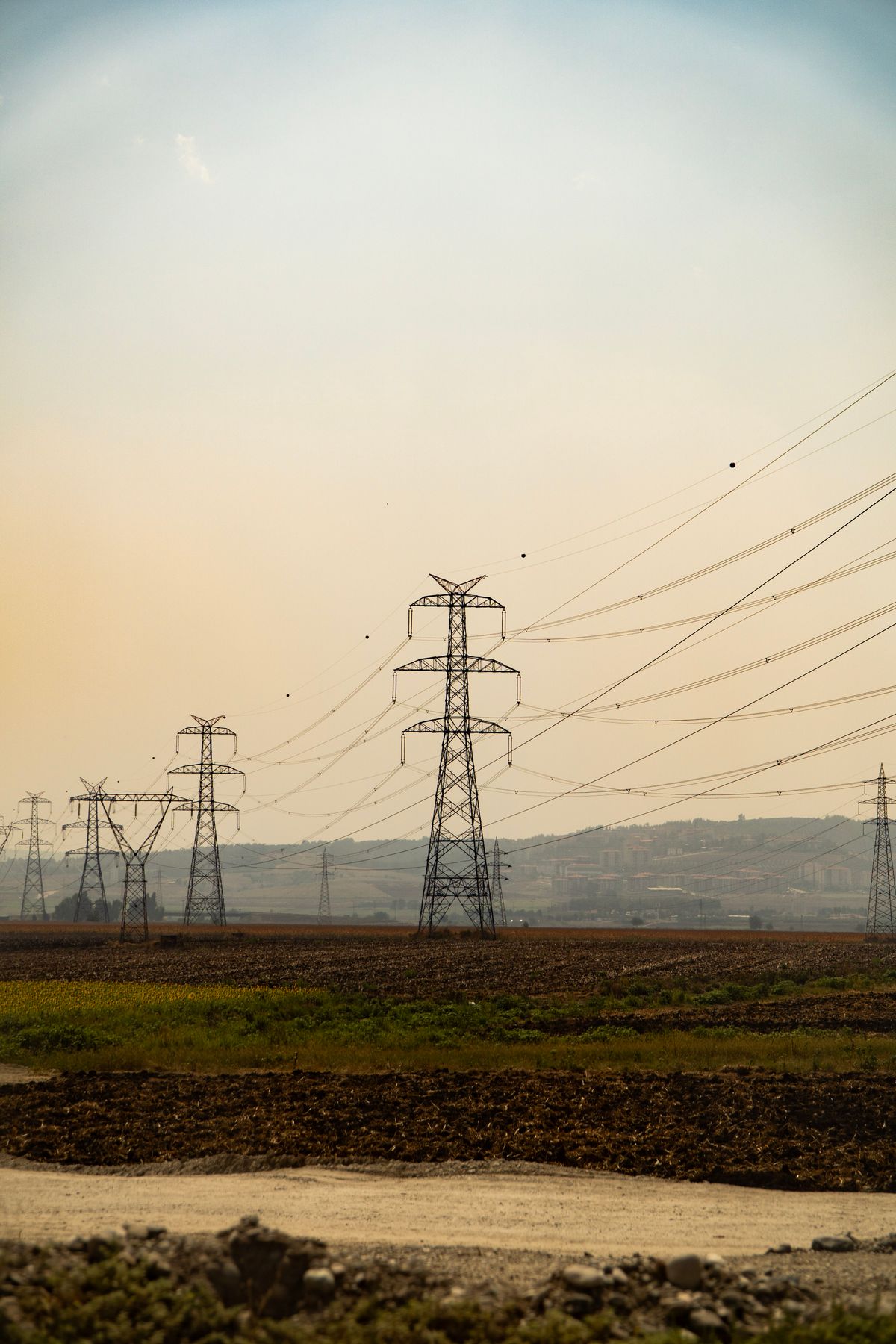
Here is the part that reaches your bill. Transmission and generation costs get recovered across the whole system. A data center pays for the power it uses. It does not pay, by itself, for the poles, wires, and substations built to serve a bigger grid. Those costs spread, and they spread onto you.
What a PECO Electric Bill Increase Actually Does to Home Values
Nothing, in the short run. That is the honest answer.
Utility costs are a carrying cost, like taxes and insurance. They shape what you can afford each month, not what your house is worth on a given Tuesday. A hundred dollars more per month is real money. It is also small next to a property tax bill or an insurance renewal, and buyers in this region have absorbed both without pausing.
Set that against what the numbers show right now. The typical Montgomery County home is valued at $494,593, up 2.5 percent over the past year, and homes there go to pending in about eight days, per Zillow data through August 31, 2026.
Eight days. That is not a market flinching at a utility forecast.
Why the Five-Year Window Is the Part That Matters
Five years is long enough to change behavior and short enough to plan around.
If demand grows the way the commission models it, the pressure shows up in three places. Generation capacity, which Pennsylvania exports today and may not export tomorrow. Transmission buildout, which is slow and expensive and gets recovered from ratepayers. And the zoning fights already running in Newtown, Upper Merion, Norristown, and Limerick over where these buildings are allowed to go.
Reasonable people land differently on whether that trade is worth it. Data centers bring assessed value and almost no demand on township services, which is why some boards want them. They also bring noise, water draw, and load. Both things can be true.
What is not debatable is the timing. If you are deciding this fall whether to add solar, replace a heat pump, or lock a fixed-rate supply contract, you are making a five-year bet whether you realize it or not. The commission just published its own view of those five years. That view is public, it is free, and almost nobody has read it.
If you own a home in the four counties, forward this to the neighbor who complains about their bill every June.
What This Means for You
If you are selling in the next year, a PECO electric bill increase changes nothing about your pricing and everything about one line in your listing. Recent electrical upgrades, a newer heat pump, added insulation, or solar are worth naming directly now in a way they were not three years ago. If you are buying, pull twelve months of actual electric bills before you write the offer. Not the estimate. The bills.
The townships closest to this fight are the ones with transmission infrastructure already in the ground, which is part of why Plymouth Township keeps turning up in data center applications. Knowing which parcels are zoned for what, and which sit near a substation, decides whether your street stays quiet in five years.
Thinking about buying or selling in Montgomery County? Let’s talk.
Frequently Asked Questions About Electric Costs and Data Centers
Will data centers raise my electric bill?
The Public Utility Commission projects statewide demand climbing nearly 19 percent per year for five years, almost entirely from data centers. Higher demand generally pushes prices upward, though the commission calls its figure a forecast and not a guarantee.
How much are PECO rates going up?
No specific PECO electric bill increase is set by this report. The Electric Power Outlook forecasts statewide demand rather than one utility’s rates. Any actual rate change requires a separate filing and a full commission review.
Do data centers lower nearby home values?
Montgomery County home values are up 2.5 percent over the past year and homes go to pending in about eight days, per Zillow, even with several data center fights active. Proximity effects show up parcel by parcel, not countywide.
What happens next?
The commission updates the Electric Power Outlook every year, so the next revision arrives in 2027. Township zoning decisions in Newtown, Upper Merion, and Limerick will move faster than that and matter more to any single street.