By Josh McKnight | The McKnight Team
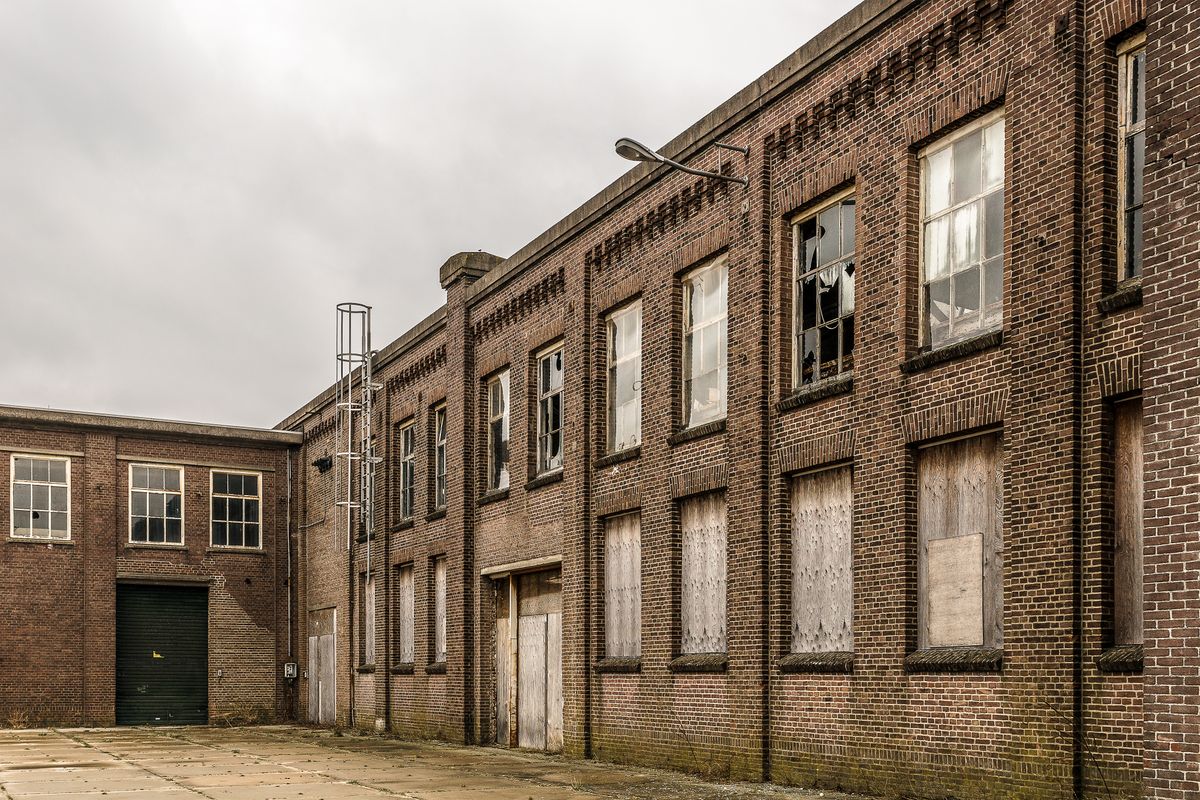
Philadelphia Mayor Cherelle Parker is pushing City Council to approve a new property tax break. The proposal would give owners a 20-year abatement for turning persistently vacant and deteriorated buildings into housing. Empty offices, old industrial sites and former schools would all qualify.
The Philadelphia tax abatement debate is now about terms, not intent. Council President Kenyatta Johnson wants an affordable housing component added and has raised questions about the city’s revenue needs.
How the Proposed Abatement Would Work
An abatement does not erase a tax bill. The owner keeps paying on the land and the building as it sits today. The new value created by the conversion is shielded from tax for the life of the abatement.
Philadelphia already offers a 10-year abatement on new construction. This plan doubles the clock and narrows the target. It is aimed at buildings that have sat empty and decayed for years, the kind that drag down a whole block. Former schools and old factories often sit on large lots with solid structures. Converting them keeps the building and changes what happens inside.
Twenty years matters to a developer. Conversions cost more than building from scratch. Old offices need new plumbing, new windows and new layouts. A longer break makes more of those projects pencil out.
For you as a homeowner, the abatement does not touch your own bill. It applies to the converted building, not to the occupied homes around it. Your assessment stays on its own track, set by the city’s Office of Property Assessment.
What the Philadelphia Tax Abatement Actually Does to Your Block
Most people hear “tax break for developers” and stop listening. That misses the point. A vacant building pays very little today. A converted one pays something now and much more later. Empty buildings cost neighbors.
Set that against what the numbers show right now. The typical Philadelphia home value is $233,728, up 0.1% over the past year, per Zillow data through August 31, 2026. Homes go to pending in about 24 days.
Flat values. Slower sales. Your block needs a reason for buyers to look twice.
Why the Affordable Housing Fight Matters
Johnson’s push for an affordable component is the real negotiation. Both things can be true. The city needs these buildings back in use, and the city needs to know what it gives up in return. Reasonable people land differently on how to balance the two.
If Council adds affordability rules, some conversions will not happen. The math gets tighter. If Council skips them, more units come online faster, at rents and prices set by the market.
Either way, the buildings in question are not random. They are the empty office towers and shuttered plants that sit in plain view across Philadelphia. When one flips to housing, the blocks around it change. Foot traffic comes back. Corner businesses get customers. Nearby rowhomes start to look like a better bet.
Think about what a vacant building does to your own sale. Buyers walk the block before they walk your house. A boarded window two doors down raises questions you have to answer. A busy new building answers them for you.
That is the part most coverage skips. If you own near one of these sites, this vote deserves your attention. Tell a neighbor who lives near an empty building to watch this one.
What This Means for You
If you are selling near a vacant building, find out what is planned for it before you set your price. A conversion on the way is a selling point, and buyers will pay for a block that is turning. If you are buying, look at the empty buildings near the homes you like. A 20-year break can turn the eyesore down the street into new neighbors and new storefronts. Ask for recent sales on blocks where a conversion already happened, so you can see the effect for yourself.
Our Philadelphia community guide covers the neighborhoods where these changes tend to show up first. We can help you read a block before you commit to it.
Thinking about buying or selling in Philadelphia? Let’s talk.
Frequently Asked Questions About the Philadelphia Tax Abatement
How does the Philadelphia tax abatement for vacant buildings work?
The proposal gives a 20-year property tax abatement to owners who convert persistently vacant and deteriorated buildings into housing. Owners keep paying tax on the existing value. The added value from the conversion is shielded during the abatement.
Will this abatement affect my home value?
It can, depending on your block. The typical Philadelphia home value is $233,728, up 0.1% in a year. A vacant building turned into housing nearby can make a block more attractive to the next buyer.
Should I buy near a vacant building in Philadelphia?
It can make sense if a conversion is likely. Ask what is planned for the site and check its zoning. A 20-year abatement makes conversions more likely across the city, but it does not guarantee one on any single block.
What happens next with the abatement proposal?
Mayor Cherelle Parker is urging City Council to approve it, and Council President Kenyatta Johnson wants an affordable housing component added. Expect amendments before a final vote, so follow the Council calendar for hearing dates.