
By Josh McKnight | The McKnight Team
Homeowners associations are dropping informal grace periods and handing delinquent accounts to lawyers faster than they used to. In the most aggressive cases they are foreclosing. There were 6,376 properties with HOA related foreclosure filings nationwide in the first quarter of 2026.
HOA foreclosure Pennsylvania activity sits inside that national number, and the trend is steep. Filings are up nearly 40 percent from two years earlier, rising faster than overall mortgage foreclosure rates, according to Attom.
How an Association Actually Gets There
The sequence is duller than people expect. A homeowner misses dues. The association sends notices. Historically many boards let that ride for months. Now the account moves to counsel sooner, fees attach, and the balance grows well past the original assessment. Only at the end does a filing appear, and the filings counted above span everything from an initial default notice through a completed sale.
The pressure is coming from the association side. Boards face rising costs for staffing, lawn care, insurance and materials, and those costs land before any resident falls behind. As Brian Fox, co-founder of the real estate technology firm Benutech, put it, associations are being forced into more aggressive collections to avoid their own financial collapse.
What HOA Foreclosure Pennsylvania Filings Actually Threaten
Here is what surprises owners. Your mortgage is not the exposure. A few thousand dollars in unpaid dues can put a lien on a property carrying hundreds of thousands of dollars in equity. The debt is small. The remedy is not. That asymmetry is the whole story, and it is why HOA foreclosure Pennsylvania filings climb even while mortgage delinquency stays flat.
Set that against what the numbers show right now. The typical Pennsylvania home value is $289,277, up 2.4 percent over the past year, and the statewide median sale price was $273,333 in April, per Zillow data through May 31, 2026. Homes went to pending in about eight days. There were 32,077 homes for sale across the state.
Equity that large is not protection. It is what makes the property worth pursuing.
Why This Lands Differently in the Philadelphia Suburbs
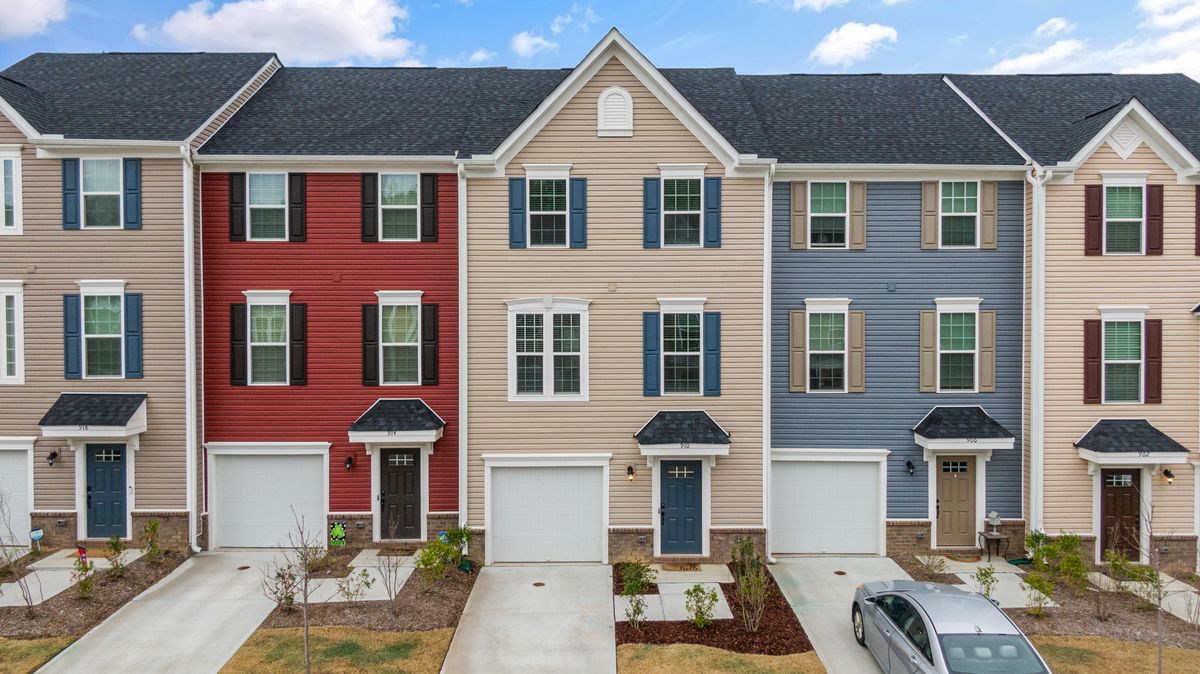
Association living is not a niche here. Townhome and condominium communities across Bucks, Montgomery, Philadelphia and Delaware counties carry monthly dues, and a growing share of newer construction comes with an association attached by default. Many of those communities are also the entry point into their township for first time buyers, which means the owners with the least financial cushion are frequently the ones inside an association structure.
There is a fair argument on the other side. Associations that avoid collections end up underfunded, defer maintenance, and eventually hit every owner with a special assessment instead. Aggressive collection protects the reserve. Reasonable people land differently on where the line sits, and both positions are defensible.
What is not debatable is how quietly this escalates. Dues arrive as a small recurring bill, easy to deprioritize when money gets tight, and the consequence arrives months later attached to legal fees nobody forecast. By the time an HOA foreclosure Pennsylvania filing shows up in the public record, the balance rarely resembles the original assessment. Owners who fall behind rarely tell anyone until it is late. If you know somebody who has gone quiet about their association account, that is a conversation worth starting.
What This Means for You
If you own in an association community and you are behind, contact the board in writing now and ask for a payment plan before the file moves to counsel. Boards settle far more readily before legal fees attach than after. If you are buying into an association, read the reserve study and the last two years of meeting minutes, not just the dues figure. A board raising dues sharply or discussing a special assessment is telling you what your carrying cost will be in three years.
Dues, reserves and assessment history rarely show up in an online estimate, and they change what your home actually costs you to hold every month. Our Horsham market page covers a market where association communities are common, which is a useful reference point when you are weighing a townhome against a single family home at the same price.
Thinking about buying or selling in Horsham? Let’s talk.
Frequently Asked Questions About HOA Foreclosure in Pennsylvania
Can an HOA actually foreclose on my home in Pennsylvania?
Yes. An association can place a lien for unpaid dues and pursue foreclosure on that lien. Nationwide there were 6,376 properties with HOA related foreclosure filings in the first quarter of 2026, up nearly 40 percent in two years.
What happens if I stop paying HOA dues?
Notices come first, then the account typically moves to an attorney, and legal fees attach to the balance. What began as a few hundred dollars in dues can grow substantially before any filing appears in the public record.
How much can an association raise dues?
That depends on your governing documents, and many allow meaningful increases without a full owner vote. Associations are currently facing higher costs for staffing, lawn care, insurance and materials, which is pushing assessments upward.
Does an HOA lien survive a sale?
Unpaid association balances generally must be resolved at or before closing, which is why they surface during a transaction. Request a status letter from the association early, because an unexpected balance can delay a settlement date.
Join The Discussion